
The Man Behind The Movement: Lawrence Ben Miles Talks Music, Harlem & Women Empowerment

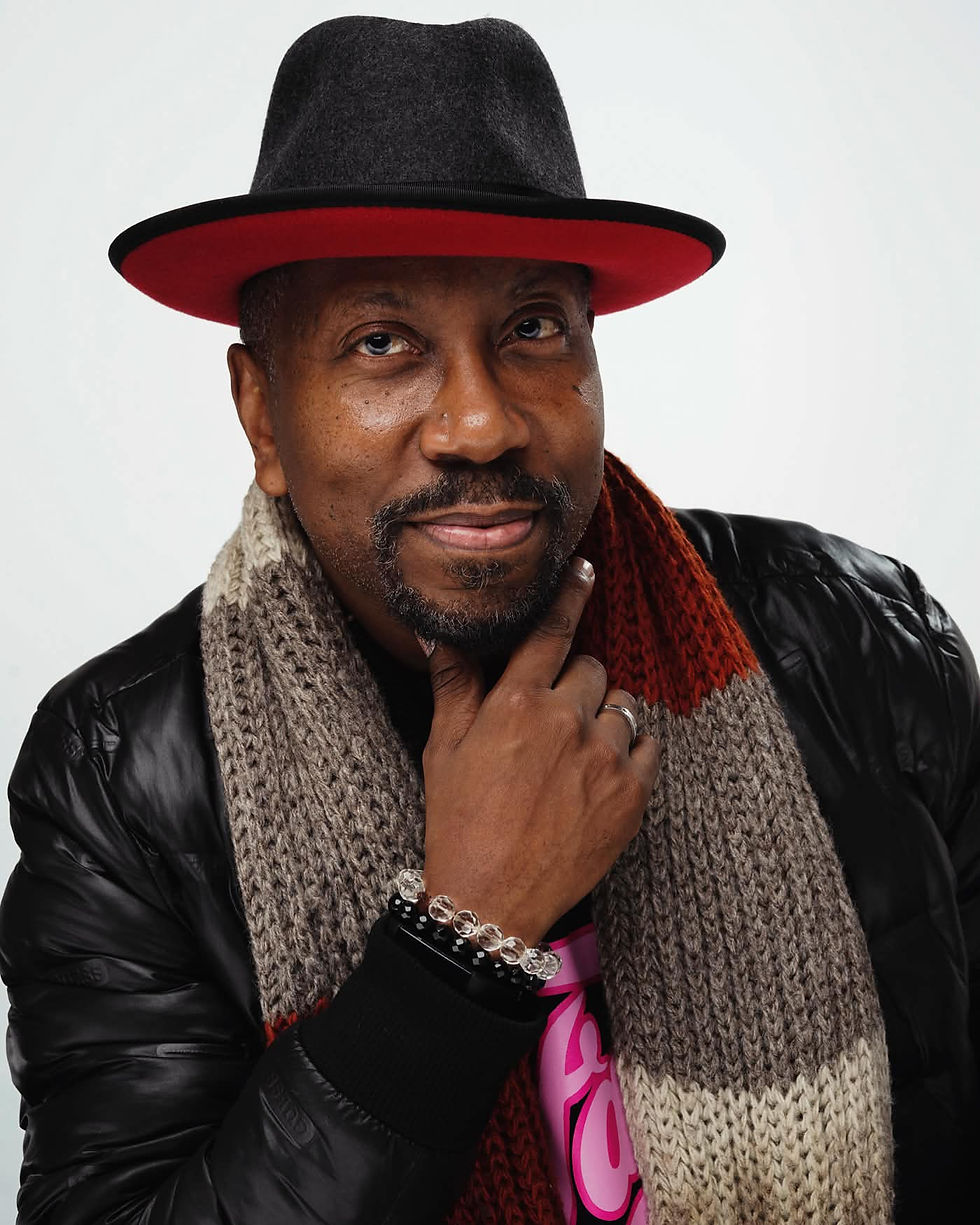
From Music to Movement
Born and raised in Harlem, New York, Lawrence Ben Miles has spent his life connected to the culture and community that shaped him. In his younger years, he was involved in the music business as a dancer and street promoter, gaining firsthand experience in the energy, creativity, and relationships that make entertainment and urban culture so powerful.
Over the years, his journey expanded beyond music and into community involvement and women’s empowerment. For approximately 25 years, Lawrence has been involved in supporting and advocating for women, earning him the respected nickname “Mayor of Harlem” because of his longstanding presence, relationships, and work within the community—not because he holds an elected position.
In this Pressed Media conversation, we explore his journey from Harlem and the music business to the work he continues to do today, the people who influenced him, and the legacy he hopes to leave behind.
Let's Talk — Lawrence Ben Miles
FROM MUSIC TO MOVEMENT
Before your work in women’s empowerment, you were involved in the music business as a dancer and street promoter. How did you first get involved in the music industry?
Ben: I first got involved in the music industry by doing promotions with Maria Davis, who booked artists for her showcases. I then met record labels that wanted to book me to promote their various artists and projects.
What was the music scene like when you were coming up?
BEN: The music scene was fun, energetic, and exciting. It was a great time to be a part of the music business.
What did being a dancer teach you about entertainment, performance, and connecting with an audience?
BEN: Being a dancer taught me how to control a crowd and work the room so people could feel your energy.
You also worked as a street promoter. What did that experience teach you about networking, building relationships, and getting people behind something?
BEN: Street promotion was a great movement. It taught you how to network and how to get close and connect with others.
Who were some of the artists, DJs, or people in the music industry who influenced you during those years?
BEN: There were a few artists, but my boy Doug E. Fresh was always a positive influence. As for singers, I would say Irene Cara and Minnie Riperton.
Looking back, what do you miss most about those days in the music business?
BEN: I miss the fun of being at the real industry events and connecting with the many people I had worked with over the years.
Do you feel your years in music helped prepare you for the community work you do today?
BEN: Yes, because it allowed me to become comfortable working with many different people. It taught me to have a great work ethic and to relate to others strongly.
THE TRANSITION
At some point, your journey moved beyond entertainment and toward community involvement and women’s empowerment. What sparked that transition?
BEN: The music business was changing, and companies were switching up their methods of working. I was doing promotional work when I connected with the New York Women’s Chamber of Commerce. They wanted me to stay and run outreach and some of their programs.
Was there a specific moment or experience that made you realize supporting and empowering women was something you wanted to dedicate yourself to?
BEN: Yes. Once I started working with the New York Women’s Chamber of Commerce (NYWCC), I realized there were many women in business who needed help, guidance, and support in their fields of work. I believed I was the right person to assist and help them.

PHOTO CREDIT: JOHN RAYMOND CABALLERO
“Life is short, so while I am here, I plan on leaving a legacy and being as
great as I can be.”
You’ve now spent about 25 years working in and around women’s empowerment. How has your perspective changed over those years?
BEN: I just see things differently. I stay grounded, help others, and never get myself caught up in the negative. I see that life is short, so while I am here, I plan on leaving a legacy and being as great as I can be.
THE MAYOR OF HARLEM
People refer to you as the “Mayor of Harlem.” Since this is a name you've earned through your community presence and work, what does that nickname mean to you?
BEN: Yes, they do call me the Mayor of Harlem. I was also voted Mayor in a promotion for Sugar Hill Creamery in Harlem, where people came out and voted for me. So, I am always humble and thankful. But that is just a name—you have to live up to it and do the work, as you said you would, in your community. It is not just about having a title. I stay true to it all.
What do you believe it takes to truly be connected to a community?
BEN: Harlem stands strong and is unlike anywhere else. We have had many great people live in Harlem. Our culture is real, the arts are real, the music is real, the energy is real, and so is the vibe. People can tell if you are from here you carry it all with a certain swag and smoothness. The legends live here.
LEGACY & PURPOSE
You've experienced several different sides of the culture—from dancing and street promotion to community advocacy. How have all those chapters shaped the man you are today?
BEN: Yes, they have shaped me, and I am a greater man because of everything I have lived through. I do my best to ensure that I do exactly what I say I will do for business owners and families. You have one life, and you must be true to yourself.
What do you think your younger self—the dancer and street promoter—would say if he could see the work you're doing today?
BEN: He would say, “God bless you, brother. You are making things work and being a staple in the community.”
“I never stopped motivating others to be better.”

What is one thing you've learned from working with women for so many years that you wish more men understood?
BEN: Working with women helps you understand other sides of life and business. I learned that women are really starting more businesses and are strong when it comes to building and growing their companies. Some men have to do better in those areas.
What does success mean to you at this point in your life?
BEN: Success means you did what you set out to do and stayed true to who you are. A real, upstanding person.
What kind of legacy do you want to leave behind?
BEN: To me, my legacy will be helping others in their businesses, helping them grow their businesses, and doing what I promised them I would do. I also want to be remembered for my dancing that I loved the dance of life and that I never stopped motivating others to be better. I was a positive soul, put here to help others succeed and to help families succeed.

You’ve spent your life being involved in culture, entertainment, community, and now women’s empowerment. When you look at the entire journey, what do you believe you were put here to do?
BEN: I was put here to do what I do: save people in business, advocate for women and others, and assist them with what they are doing in their companies. I basically consult and help them figure things out so they can build stronger businesses. That’s what I was put here to do to be a powerful advocate and make the world a better place.
FOLLOW LAWERENCE MILES


